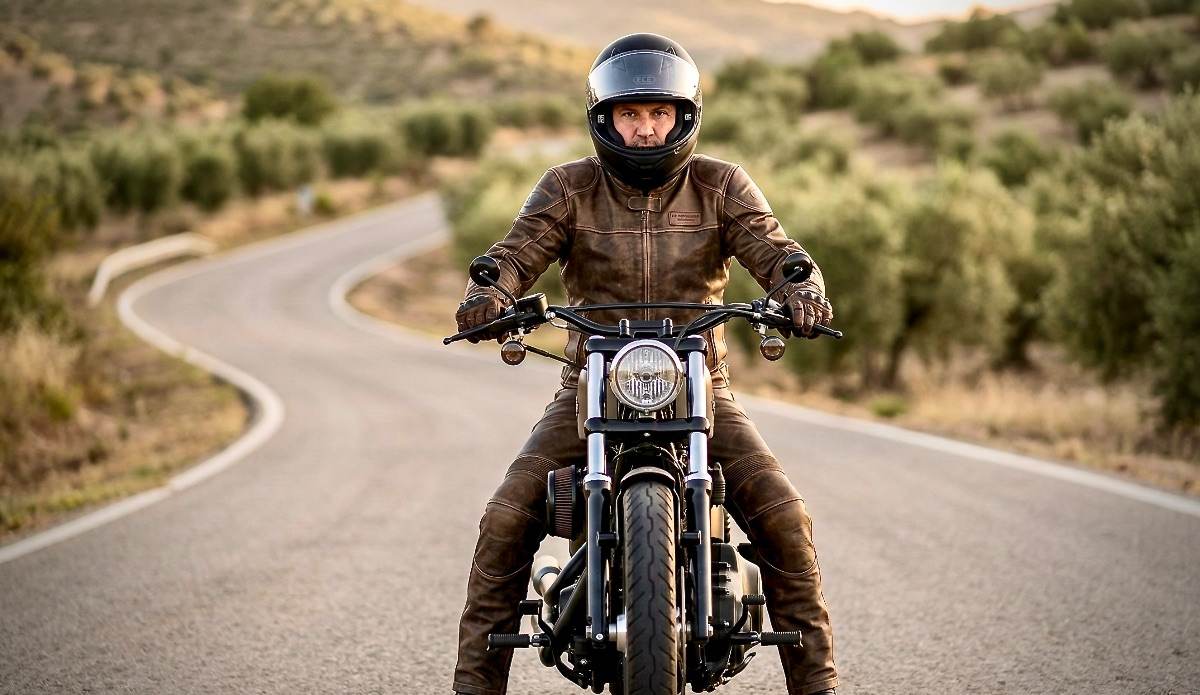
DGT motorcycle regulations 2026: gloves, footwear, vest, and helmet starting October 1st
What does the DGT require from motorcyclists as of October 1, 2026 (RD 518/2026): gloves on the road, closed-toe footwear, reflective vest, helmet, and using the shoulder in traffic jams. Fines and which gloves are valid.
Let's be honest: nobody likes to be hit in the pocket, and even less so for not wearing the proper gear. With Royal Decree 518/2026, published in the BOE on June 26, the DGT has reformed the General Traffic Regulations to better protect vulnerable road users, and we motorcyclists are at the forefront. The new obligations have been in force since October 1, 2026.
What does this mean for your day-to-day life? Can you be fined for popping out to get bread in flip-flops? At Motocorner, we explain it to you "in plain English" so you don't get any surprises.
1. Gloves: mandatory on the road (rider and passenger)
Since October 1, motorcycle and moped riders and passengers must wear protective gloves when traveling on interurban roads: conventional roads, dual carriageways, and highways. They are not mandatory in the city, although in a low-speed fall, your hands are the first thing to hit the ground.
- Which gloves are valid? The regulation refers to a ministerial order that will set their technical specifications, and that order has not yet been published. In the meantime, protective gloves are required, without a specific standard. Our advice: buy gloves with CE marking according to the EN 13594 standard now (look for the motorcyclist pictogram on the label), which is the most likely reference when the order arrives. Wool or gardening gloves do not protect.
2. Closed footwear on all roads: goodbye to flip-flops
Closed footwear that covers the entire foot is mandatory for the rider and passenger on any type of road, including in the city. Flip-flops, sandals, or backless shoes are out. The law does not require boots, but boots with EN 13634 certification that protect the ankle are what will truly save your foot in an accident. For more information, check out our guide on motorcycle protective clothing.
3. Reflective vest: now part of the motorcycle's equipment
The reform also modifies the General Vehicle Regulations: motorcycles must carry a high-visibility reflective vest as part of their mandatory equipment.
- When to wear it: when you get off the motorcycle and occupy the road or the shoulder on an interurban road (due to breakdown, accident, etc.). You do not need to wear it while driving.
- Delivery drivers and professionals: they must wear it whenever they are driving, on any road.
If your motorcycle has little space, a folded vest fits under the seat or in a tank bag.
4. Helmet: homologated and properly fastened
The helmet must be homologated according to the UNECE R22 Regulation and correctly fastened on all types of roads. Wearing it unfastened or poorly adjusted is sanctioned the same as not wearing it at all.
- Mopeds: until now, a certified helmet was enough. Starting October 1, 2027, it will also have to be homologated (look for the "E" inside a circle on the label).
- 22.05 or 22.06: your ECE 22.05 helmet is still legal if it is in good condition, but if you are going to buy a new one, choose the ECE 22.06, which is much more demanding (includes rotational impact tests). Take a look at our definitive motorcycle helmet guide.
- Intercoms: the reform allows for certified or homologated wireless devices integrated into the helmet, provided they are used only for intercom or navigation.
5. Shoulder in traffic jams: yes, but with conditions
Another novelty: in signposted sections and with traffic stopped, motorcycles can advance along the shoulder in a line and at a maximum of 30 km/h. It is not a general permit: where there is no sign, the shoulder remains prohibited.
6. The airbag vest: is it mandatory for everyone?
No. The airbag vest is mandatory for driving school students and instructors during practice and the A license exam. For everyone else, it remains voluntary, although highly recommended: it is the best investment in safety you can make. Discover more about motorcycle airbags.
7. Connected V-16 light: do I have to carry it?
For cars, it has been mandatory since January 2026, but motorcycles and mopeds are exempt. If you have space under the seat or in the trunk, carrying one is still a good idea to make yourself visible if you get stranded at night. If you are interested in buying and selling, don't miss our second-hand motorcycles.
⚠️ The pain in the wallet: fines
- Without gloves on the road or without closed footwear: serious infraction, €200 (€100 with early payment). The DGT does not contemplate the withdrawal of points for these cases.
- Not wearing the vest when required: €200.
- Without a helmet or with the helmet unfastened: €200 and withdrawal of 3 points.
And watch out, there is something worse than the fine: if you have an accident without the mandatory equipment, the insurance company may give you trouble when assessing your injuries. We recommend visiting our biker forum to share your experiences in this regard.
Do you need to update your biker wardrobe?
With the law in hand, it's time to check your closet and see if your gloves or boots comply.
- Looking for new or second-hand gear? Stop by our Marketplace to sell that helmet you no longer use or find bargains on certified gloves.
- Prefer to try everything on and get advice? Find the best professionals and physical stores in our Stores and Workshops directory.
- Are you already 100% legal? Then all that's left is to enjoy. Find your "tribe" in our Biker Clubs section or go out and burn some gas at Events.
Source: Royal Decree 518/2026, of June 24 (BOE no. 155, of June 26, 2026) and DGT press releases. We will update this article when the ministerial order on gloves is published.
Dress for the fall, not for the ride, and see you on the road! ✌️
Keep track of your motorcycle
Add your bike to My Garage for free: service, inspection and insurance reminders, with all your expenses in one place.
How we write this article
- We start from reliable documentation: manufacturer owner's manuals and maintenance schedules, official Spanish regulations (BOE and DGT) and public registration data.
- Artificial intelligence helps us organise and summarise that documentation. The text and image were produced with its support.
- Before publishing, the MotoCorner team checks the key figures (oils, pressures, intervals, legal requirements).
Images are illustrative and may not match real models or parts. Always check your motorcycle's manual.

Written and reviewed by
Ariel Cervantes
Founder of MotoCorner
A long-time motorcyclist, Ariel has ridden many different models and engine sizes. As MotoCorner’s founder, he combines his riding experience with his digital product background to coordinate and review maintenance guides, routes and tools for the motorcycle community.
Technical review: data checked against official manufacturer documentation and current regulations.